Earlier this month, David Frum spilled his spleen in a lengthy harangue at The Atlantic titled, This Is Trump’s Fault. Against the backdrop of the coronavirus outbreak, the author of the upcoming Trumpocalypse: Restoring American Democracy, spent more than 5000 words (that would be about a ten-page, single-spaced Word document, by the way) taking the president to task in hyperbolic, over-the-top, no-holds-barred terms. The piece was a doozy that, IMO, revealed more about David Frum than about the object of his harangue.
Latest Articles
The effects of COVID-19 reach far beyond the realm of human health. In Spotlight this week Pastor Calvin Lindstrom and I consider Americans’ right of religious liberty vs. submission to governmental authorities, especially in light of restrictions on “non-essential,” in-person worship services and church gatherings. Should Christians be governed by Hebrews 10:25 or Romans 13 and what is a proper, biblical response to government overreach?

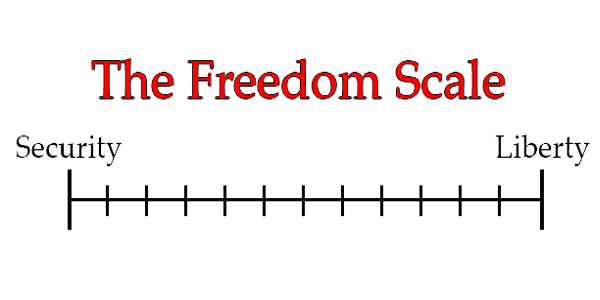
The biggest threat to the United States today is not a virus, but rather “virus-shaming.” The greatest challenge the American experiment faces in this dark hour is not our need for safety but our loss of liberty. And the complicity of the church in the wholesale abandonment of this self-evident truth is no less than stunning.


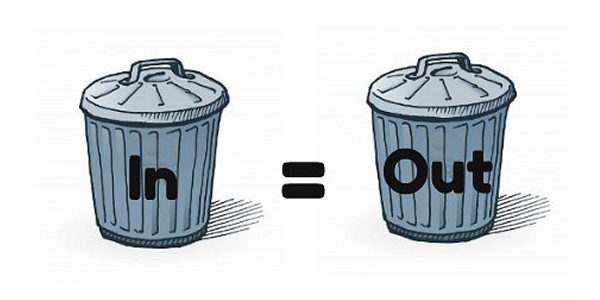
Computer models are seductive even though they are very often completely wrong. The more complicated they are the greater chance that they are wrong. Like children, they copy their parents -- the model architects. Confirmation bias involves cherry picking facts to obtain a result consistent with preexisting beliefs. A complicated computer model with many degrees of freedom is a perfect environment for confirmation bias to have its way. The investigator usually will believe, or at least claim, that his model is objectively setup without bias entering into the effort.
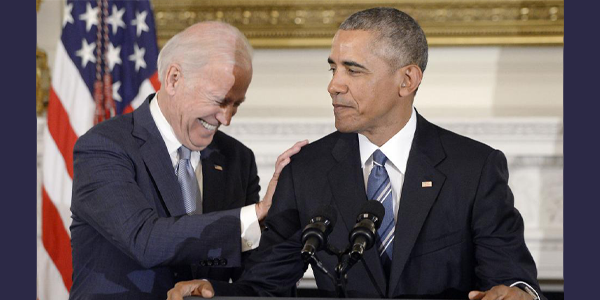
Former president Barack Obama just endorsed Joe Biden in a belated, windy, narcissistic, deceitful, and platitudinous 12-minute video that should be titled “Audacious Obama’s Ironic Endorsement of Befuddled Biden.” Amid his accolades for Bernie Sanders and his admission that Biden will govern even further to the left than he did, Audacious Obama said this:
The quick transition to online learning in the wake of the coronavirus has left students, parents and school districts scrambling to find a happy medium acceptable to all parties involved.
One of the more significant concerns is that of equity — not all students have internet access or, if they do, it is slow and unreliable. In addition, their computers may be outdated and cannot handle needed programs.

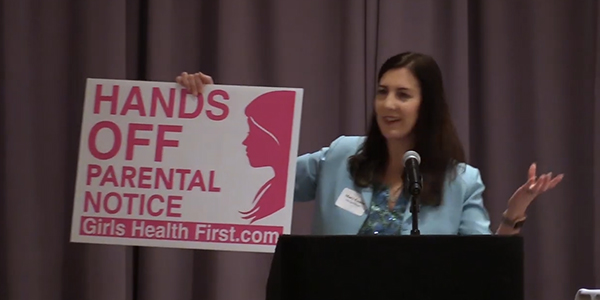
In a conversation at the SpeakOut Illinois conference in February, Mary Louise Hengesbaugh, director of Illinois Citizens for Ethics PAC, and Monte Larrick discuss the crucial benefits and protections afforded minors by the Parental Notice of Abortion Act. In turn, they detail the disastrous ramifications that will arise if the Illinois legislature succeeds in modifying or repealing this Act.
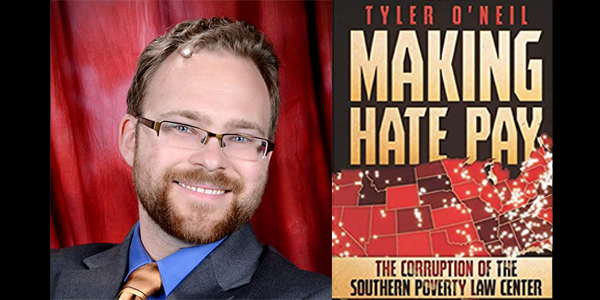
Former Southern Poverty Law Center (SPLC) “staffers have admitted that the hate accusations leveled by the SPLC are a ‘con,’ a deceptive scheme to raise money,” writes PJ Media Senior Editor Tyler O’Neil. In his new book, Making Hate Pay: The Corruption of the Southern Poverty Law Center, O’Neil shreds the SPLC’s claims to be an impartial “hate arbiter” and exposes the SPLC as a corrupt, leftist smear merchant.
Many things about Christianity are counterintuitive but none more than this: God the perfect Father sent Jesus the perfect Son to Earth as a human being to suffer and die for the sins of imperfect human beings so that those who believe in the Son would receive the perfect Holy Spirit and live in eternal love with God.

For decades, there has been a mantra embraced and utilized by advocates of the nanny state everywhere: "never let a crisis go to waste." History demonstrates that the masses are most willing to tolerate, if not welcome, the intrusion of big government into their lives when they are panicked, fearful, or impoverished. It's one of the reasons why former President Eisenhower always argued that the best weapon against the advance of communism wasn't a strong military, but a strong economy.